Pay TV Faces a Tougher Road Ahead
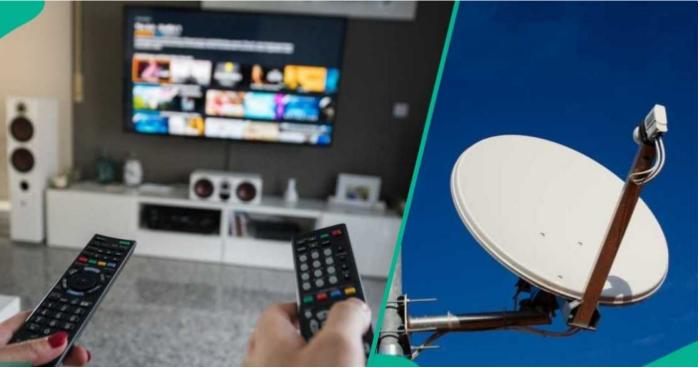
India's pay TV distribution business is facing mounting pressure as subscriber erosion, declining broadcaster incentives and rising operating costs squeeze distributor margins, while the rapid shift towards OTT and digital entertainment continues to reshape the television market.
India's television distribution sector is navigating a challenging business environment, with Distribution Platform Operators (DPOs), including cable operators and DTH platforms, facing pressure on both revenues and profitability. The reduction in promotional incentives and commercial discounts from broadcasters is adding to the strain on a sector already dealing with a declining pay TV subscriber base and changing consumer viewing patterns.
Broadcasters are becoming increasingly selective in extending discounts and incentives that traditionally helped distributors manage their costs. With content production expenses continuing to rise and advertising growth facing its own challenges, broadcasters are under pressure to protect margins. This has made commercial negotiations between broadcasters and distributors increasingly complex, even as the industry continues to operate within the framework of the Telecom Regulatory Authority of India's tariff regulations.
Subscriber Losses Add to Revenue Pressure
The decline in India's pay TV subscriber base remains one of the industry's biggest concerns. Estimates indicate that the number of pay TV households has fallen to around 111 million, with further revenue pressure expected as more consumers migrate towards OTT platforms, free digital content and connected television.
For distributors, fewer paying subscribers translate directly into lower subscription revenues while many operating and infrastructure costs remain relatively fixed. This is making it increasingly difficult for DPOs to maintain margins in a highly competitive market.
Digital Migration Changes the Equation
The rapid growth of OTT and internet-based entertainment has fundamentally altered the economics of television distribution. Consumers now have access to a wider range of premium entertainment, films and original programming through digital platforms, often through flexible and competitively priced offerings.
Traditional television, however, continues to retain significant relevance, particularly for live sports, news and regional-language programming. Industry stakeholders believe that more flexible packaging, innovative offerings, stronger broadcaster-distributor collaboration and new revenue streams will be essential to stabilise the pay TV business.
As viewing habits continue to evolve, the industry's challenge will be to develop a sustainable commercial model that can protect distributor viability while allowing broadcasters to continue investing in high-quality content.